Nationwide Fire Safety Audit Must
Jun 25, 2026 • Sidrah Gohar • Fire / Accidents
Source:
Deccan Chronicle
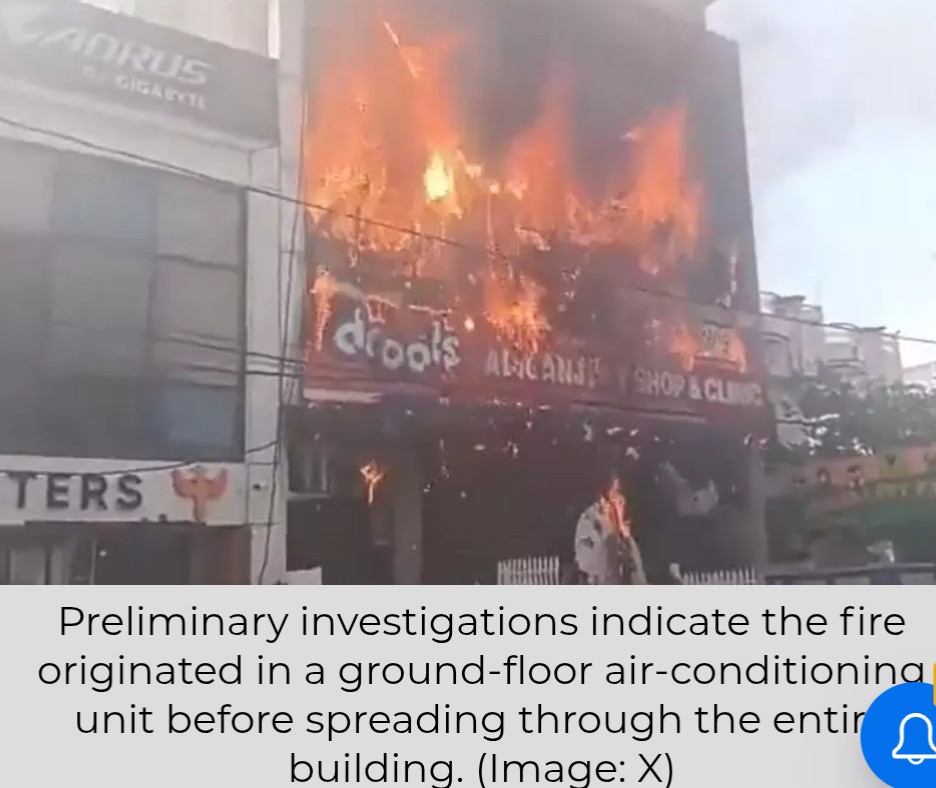
The tragic fire at a graphics animation centre in Lucknow on June 22, which claimed 15 lives, mostly young men and women, is an unfortunate addition to India’s long history of avoidable disasters. This mishap, once again, highlights the systemic failure of fire safety compliance across the country. Preliminary investigations indicate the fire originated in a ground-floor air-conditioning unit before spreading through the entire building. The structural layout of the building, which was constructed in violation of basic fire safety regulations, functioned as a death trap.
The response from governments followed a familiar script: quick announcements of ex gratia compensation by state and central governments, followed by promises of a thorough probe. Most probably, the blame will be pinned on negligence, and the case will be closed in a few months without any attempt to address the root causes of urban safety failures. If one observes closely, the Lucknow fire accident has no new lessons to offer. It has all the toxic combination of old constructions, low-capacity internal wiring, structural violations, official apathy, and regulatory blindness that defines every other fire mishap in India.